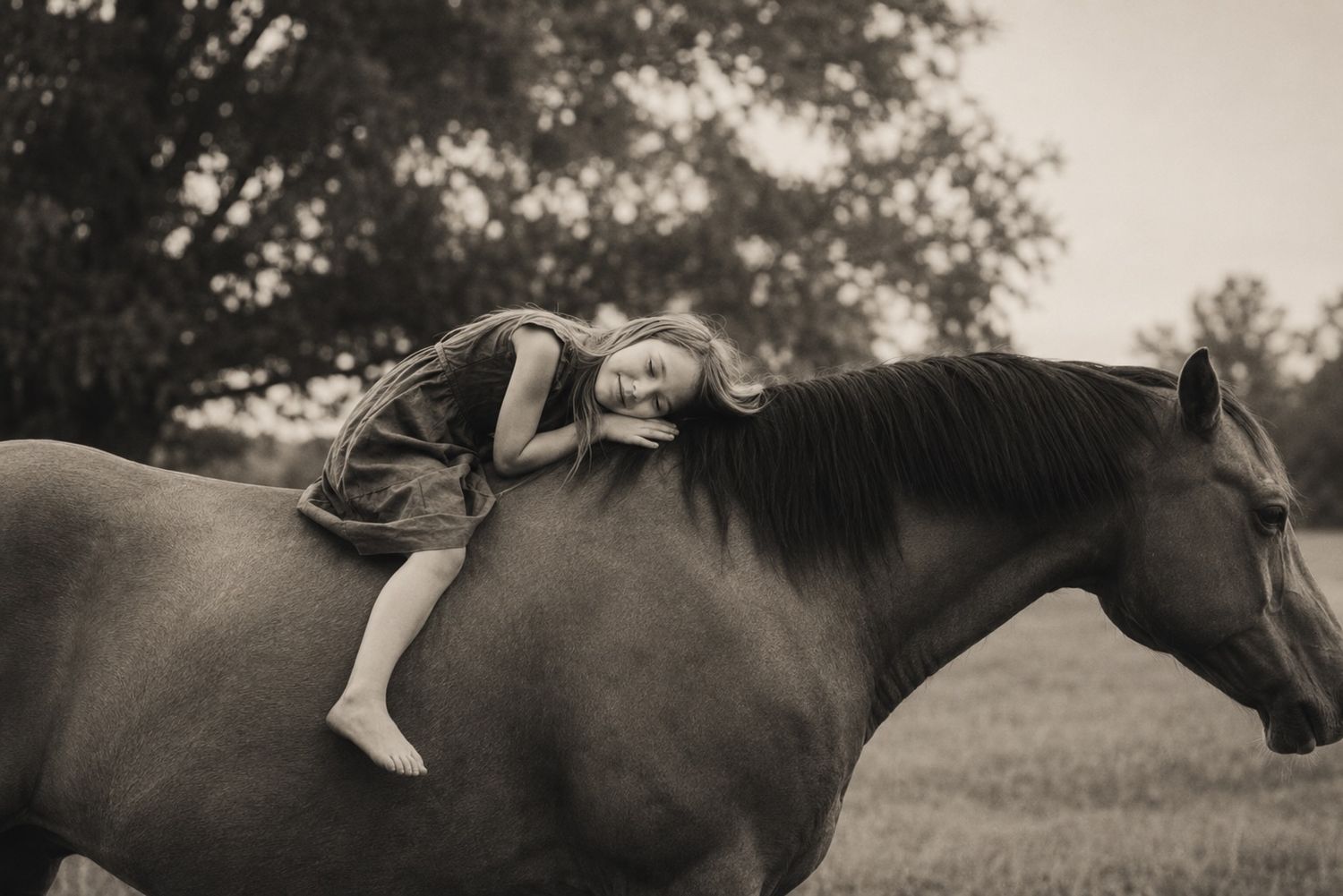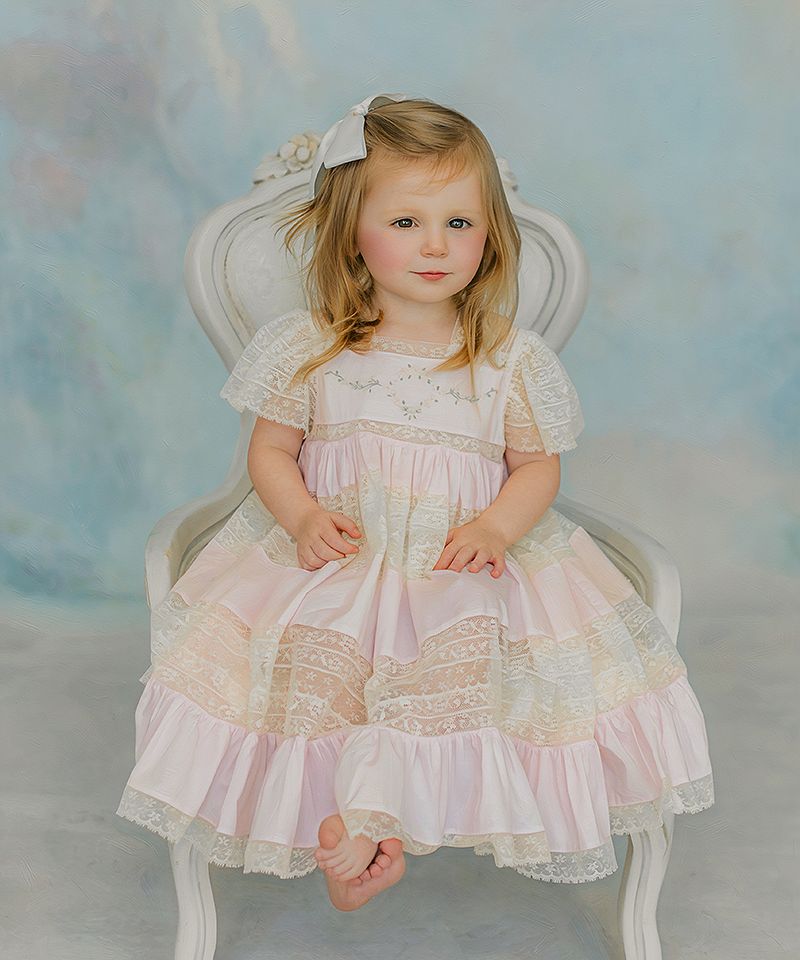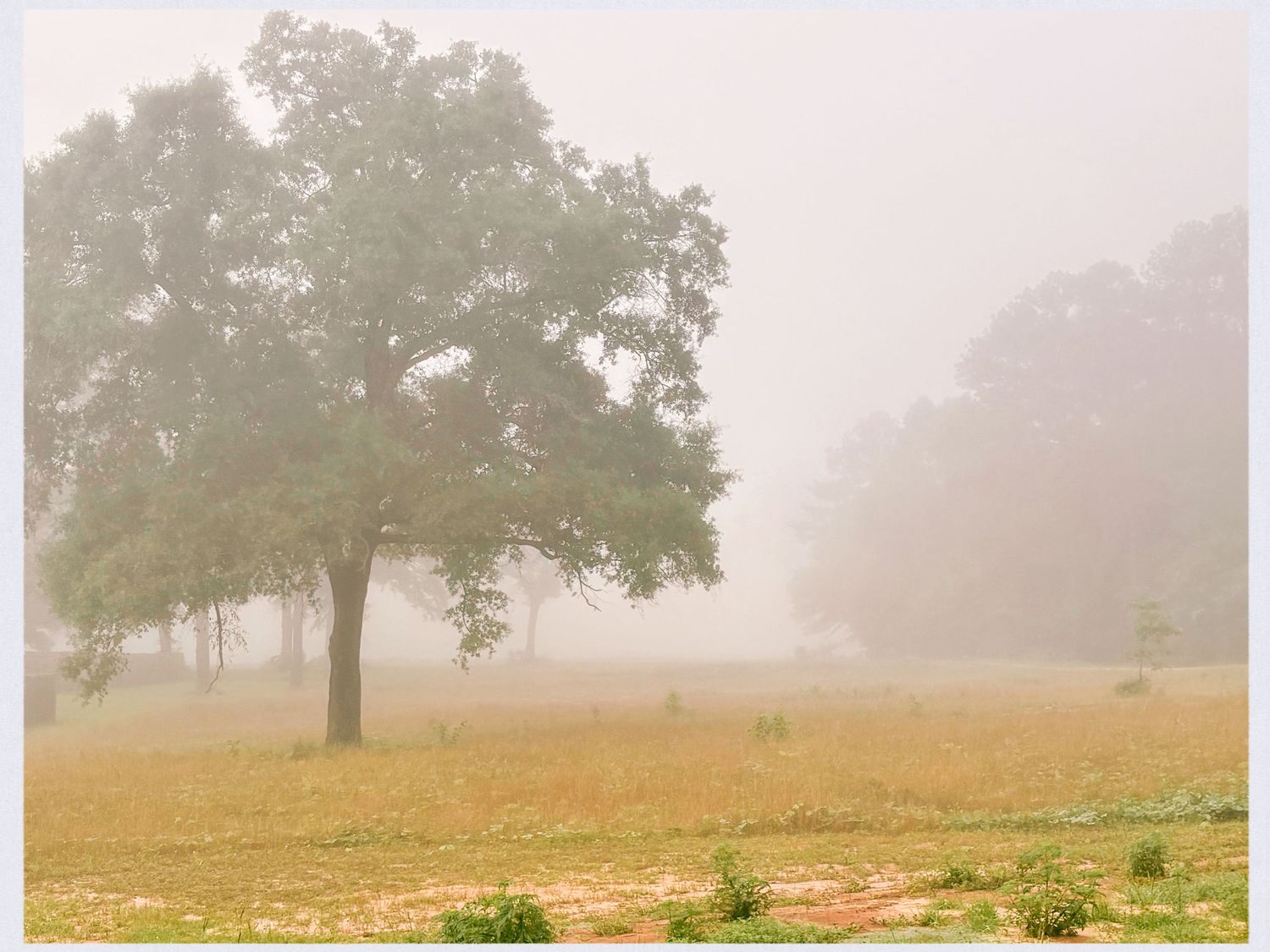
What are you holding onto so tightly that it’s keeping you from truly seeing?
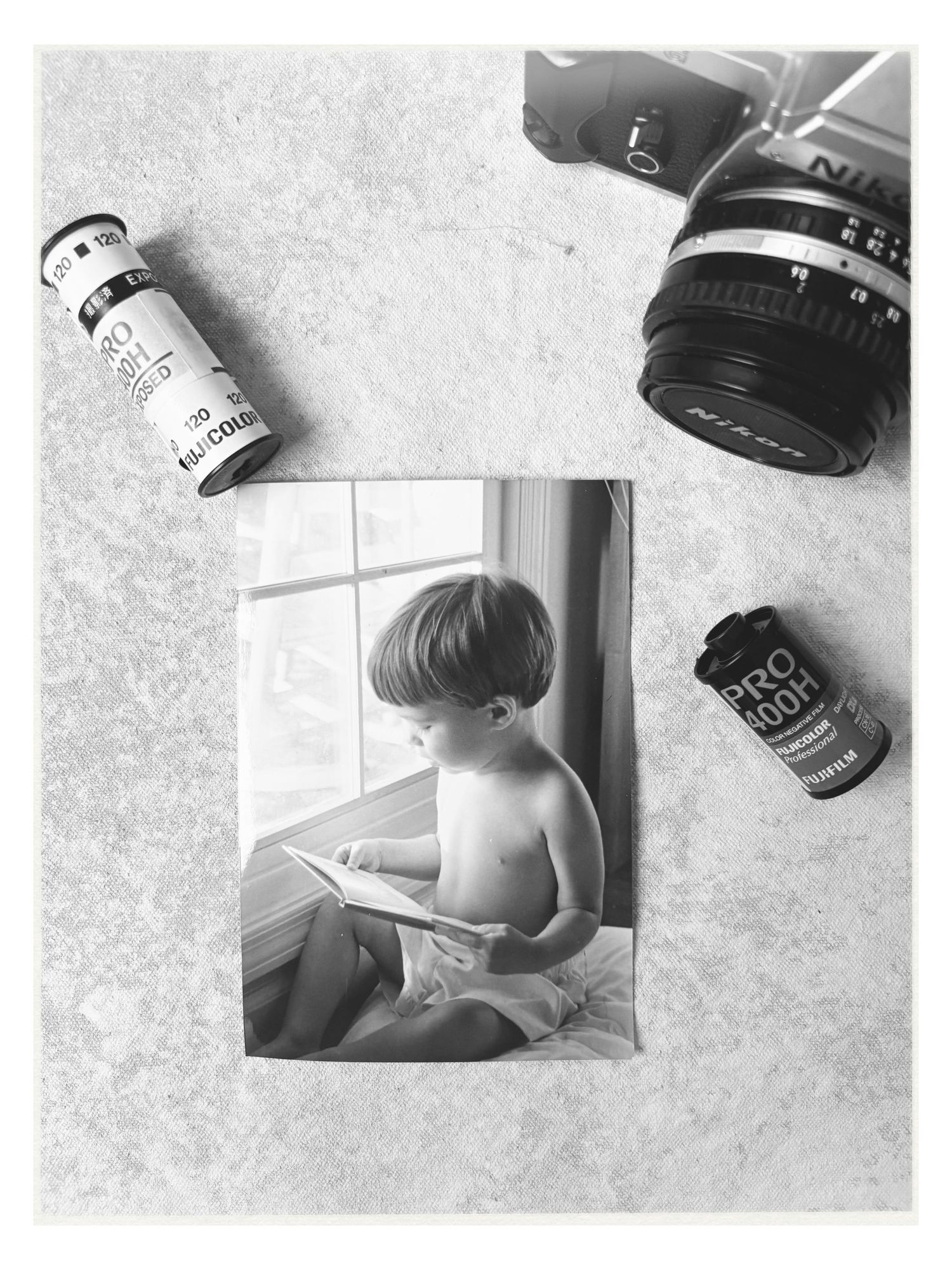
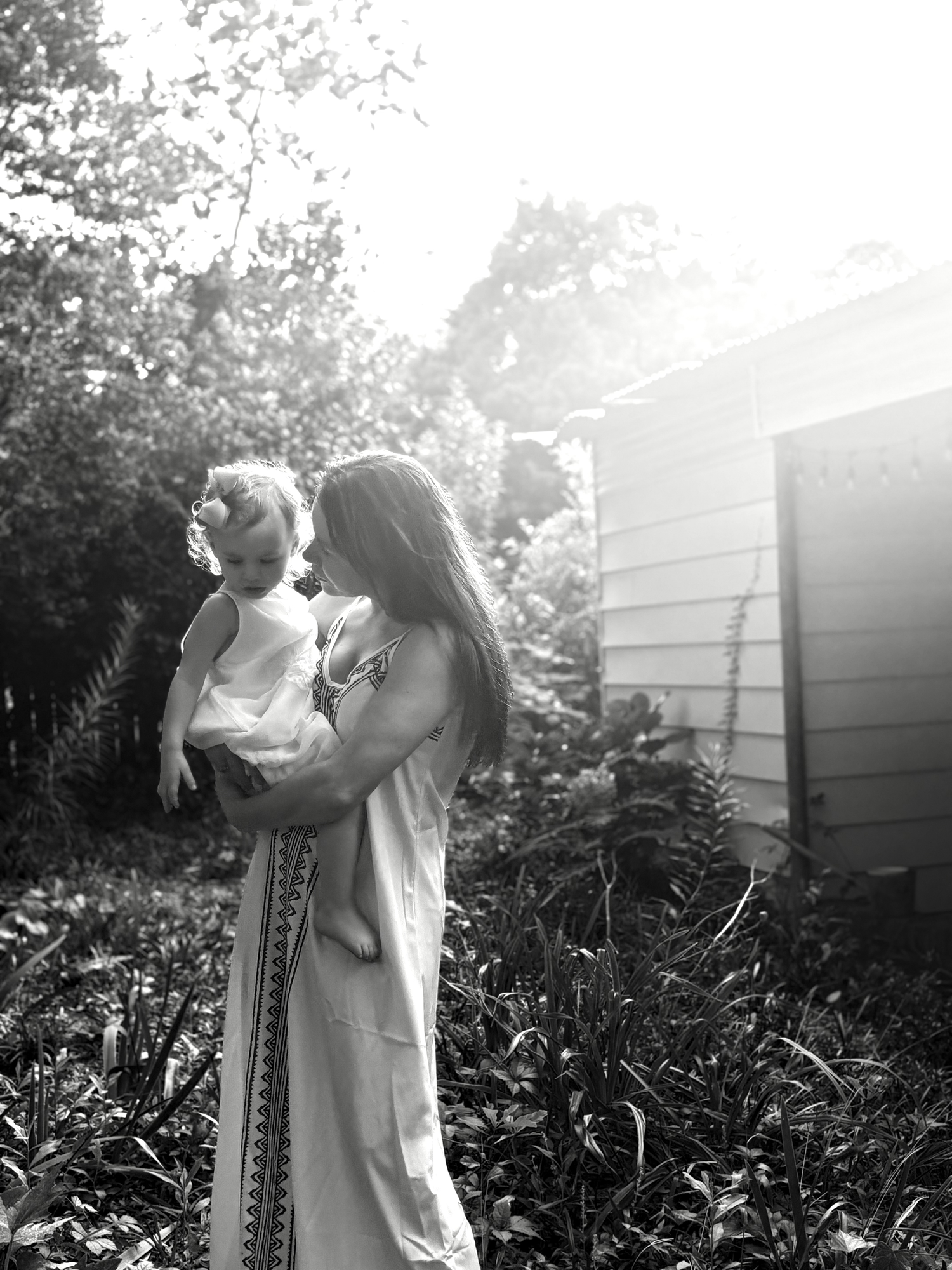
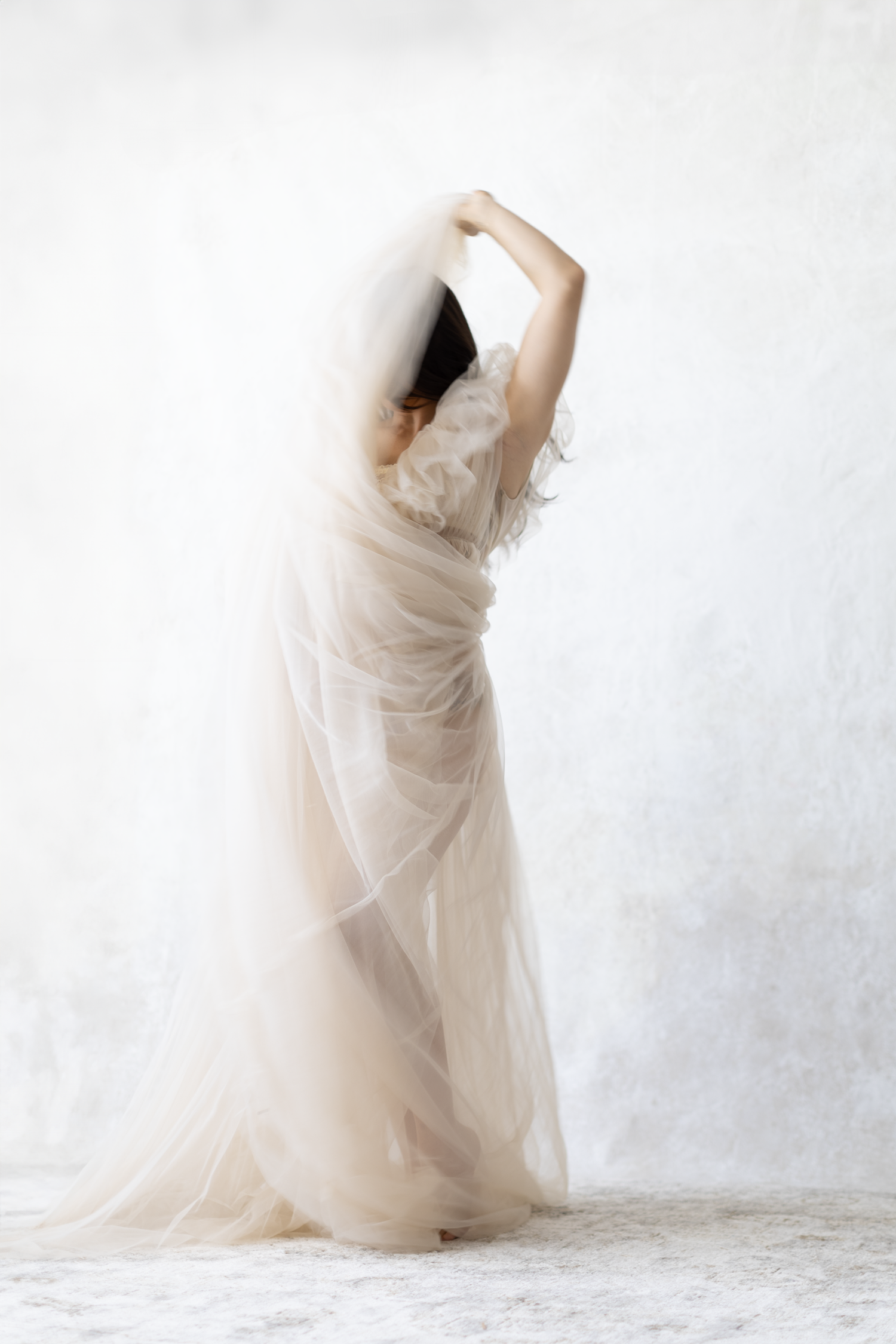
A Photographer loosing her vision
A photographer losing her vision feels almost too poetic to be real.
For the last ten years, I’ve lived with CSR, an eye disease tied closely to stress and cortisol levels. It affects the retina and can distort vision or take it altogether for periods of time. I’ve had flare-ups that made editing almost impossible. I’ve had moments where I could barely read a text message. Twice, I completely lost vision in ways that terrified me.
People hear “eye condition” and imagine inconvenience. What they don’t understand is the psychological toll of living in fear of losing the very thing your life has been built around.
Photography was never just my job. It was how I understood the world. It was how I loved people. It was how I remembered my children growing up. It was how I made sense of beauty and grief and fleeting moments that disappear before we’re ready for them to go.
And for years, underneath all of that, there was fear.
Fear every time my vision blurred. Fear every time stress crept back in. Fear that my body was betraying me. Fear that one day I would wake up and not be able to do the thing that had defined me for most of my adult life.
The irony, of course, is that the fear itself was helping drive the condition.
Stress. Cortisol. Adrenaline. Anxiety. Gripping too tightly.
My body was telling the truth long before my mind was willing to hear it.
I don’t think I realized how heavy I had become until recently.
Heavy with pressure. Heavy with heartbreak. Heavy with survival. Heavy with trying to hold together motherhood, business, identity, finances, expectations, and the constant internal fear that everything could collapse if I lost my ability to see.
A few months ago, something began shifting in me. Slowly at first. Meditation. Prayer. Silence. Long walks. Letting myself rest. Letting myself stop fighting every second of the day. Letting myself believe that maybe my worth was not entirely tied to productivity or performance or proving myself to the world.
And somewhere inside that process, I began changing.
Even my optometrist noticed it.
I walked into his office yesterday, and before we even started the exam, he stopped and looked at me for a second. Then he said, “You look lighter.”
And I knew exactly what he meant.
Because I am lighter.
Not perfect. Not healed completely. Not suddenly free from fear forever. But lighter than I have been in years.
That’s what makes what happened next almost laughable in a cosmic sort of way.
Just days before another eye injury, I had prayed one of the most honest prayers of my life. I told God that if losing my vision somehow brought me closer to my purpose—if it stripped away the identities and fears I had built my life around—then I was willing to surrender the fear of it.
Not because I wanted blindness or suffering. But because I was finally exhausted enough to stop bargaining with fear. And then the very next day, I injured my eye.
When the doctor explained how serious it could become if left untreated, I laughed sitting there in the chair. Not because it was funny, but because the timing felt so absurdly direct that it almost took my breath away. As if life itself had looked back at me and said: Oh really? You mean that?
And strangely enough, for the first time in years, I wasn’t panicking.
That’s the part that’s hardest to explain.
Years ago, something like this would have sent me spiraling. I would have clenched down harder. Worked harder. Controlled harder. Feared harder.
But this time felt different.
Because somewhere along the way, I think I finally understood that photography was never really about the camera.
It was about love.
Love for my children. Love for people. Love for fleeting moments. Love for humanity itself.
The camera was simply the language I used to express it.
Photography taught me how to notice things most people miss: the way afternoon light falls across someone’s cheek, the exhaustion hidden in a mother’s eyes, the softness that appears in people when they finally stop trying so hard to be seen.
It taught me that life is sacred precisely because it does not stay.
And maybe that is the deeper irony in all of this.
Maybe losing parts of my vision was never only about eyesight. Maybe it was forcing me to confront the ways fear had narrowed my life long before my retina ever did.
Fear has a way of shrinking us. It convinces us to grip tightly to identities, careers, relationships, titles, or versions of ourselves because we think losing them means losing who we are.
But real life doesn’t work that way.
Sometimes things fall apart so we can finally see what was holding us captive.
Sometimes the fear itself becomes the prison.
And sometimes healing does not come from controlling harder, but from loosening your grip enough to breathe again.
I still don’t know exactly where all of this is leading me.
I still love photography deeply. I still pick up my camera and feel something sacred happen inside me when light and emotion meet in a frame.
But I no longer want fear sitting in the driver’s seat of my life.
I no longer want to live as though my value depends on how perfectly I can hold everything together.
Maybe true vision lives somewhere deeper than the eyes.
Maybe seeing has always been less about sight and more about presence.
And maybe the things we are most afraid of losing are sometimes the very things leading us back to ourselves.
This is the art of letting go. Release the resistance. Nothing lasts forever, except love. Learn to love all parts of your journey. Even the pain. Honestly, mostly the pain. It's what breaks up open for expansion.